
AUTO ACCIDENTS
Care and Guidance After a Collision
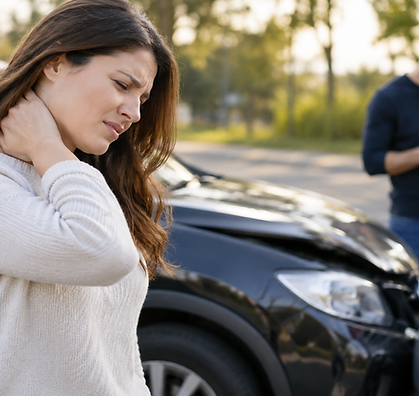
Motor-vehicle collisions can result in neck pain, back pain, headaches, stiffness, soft-tissue injuries, and changes in movement and function.
We provide thorough evaluation, individualized treatment, rehabilitation, documentation, and care coordination following a motor-vehicle collision.
We can help with:
✓ Evaluation of collision-related musculoskeletal injuries
✓ Chiropractic care, soft-tissue treatment, and rehabilitation when appropriate
✓ Restoring movement and function during recovery
✓ Documentation and coordination with other healthcare providers
✓ Insurance and claim-related documentation
Already have an auto-injury claim—or not sure what to do next?
Please contact our office before scheduling when possible so we can collect the appropriate accident, claim, and insurance information and help you determine the next step.
What if I don't have a claim number yet?
Contact our office. We can let you know what information we need and help you determine the appropriate next step before scheduling.
AFTER AN ACCIDENT
Symptoms May Affect More Than Pain
Symptoms may appear immediately or develop during the hours or days following a collision.
Patients may experience:
-
Neck or back pain
-
Headaches
-
Shoulder or upper-back discomfort
-
Reduced range of motion
-
Muscle soreness or stiffness
-
Pain with driving or sitting
-
Difficulty sleeping
-
Difficulty working
-
Numbness, tingling, dizziness, or other symptoms requiring careful evaluation
-
Reduced ability to exercise or complete daily activities
Some symptoms require urgent medical evaluation. We screen for findings that may require imaging, emergency care, or referral.
YOUR INITIAL EVALUATION
Understanding the Collision and Its Effects
Your evaluation may include:
-
Review of how the collision occurred
-
Review of immediate and developing symptoms
-
Medical and injury history
-
Orthopedic and neurologic examination
-
Range-of-motion assessment
-
Functional assessment
-
Evaluation of spinal and extremity complaints
-
Discussion of work and activity limitations
-
Determination of whether imaging or referral is appropriate
-
Initial treatment when clinically appropriate
YOUR CARE
Individualized Treatment and Rehabilitation
Depending on your examination, symptoms, and stage of recovery, your treatment plan may combine hands-on care with rehabilitation and activity guidance.
Care may also include home-exercise guidance, activity recommendations, re-examinations to measure progress, gradual return-to-activity planning, and referral or coordination with other healthcare providers when appropriate.
Your treatment plan is based on your examination and response to care—not simply on the fact that an accident occurred.
DOCUMENTATION AND COORDINATION
Clear Communication Throughout Recovery
With appropriate authorization, our office may communicate with:
-
Auto insurers
-
Attorneys
-
Primary care providers
-
Imaging centers
-
Medical specialists
-
Other treating professionals
We provide clinical documentation and progress evaluations. We do not determine legal fault or guarantee insurance or claim outcomes.
WHAT TO HAVE AVAILABLE
Please contact us with the following information when possible:
-
Date of collision
-
Claim number
-
Insurance company
-
Claim representative information
-
Attorney information, if applicable
-
Relevant medical or imaging records
COMMON QUESTIONS
Do I need an attorney?
We cannot provide legal advice. Some patients manage their claims directly, while others seek legal guidance.
Can you bill auto insurance?
Coverage depends on the policy, claim status, available benefits, and other circumstances. Contact our office so we can review the information needed.
Should I be evaluated if my symptoms seem mild?
Some symptoms improve quickly, while others become more noticeable after the initial stress of the collision passes. An evaluation can help determine whether treatment, monitoring, medical assessment, or no active care is appropriate.